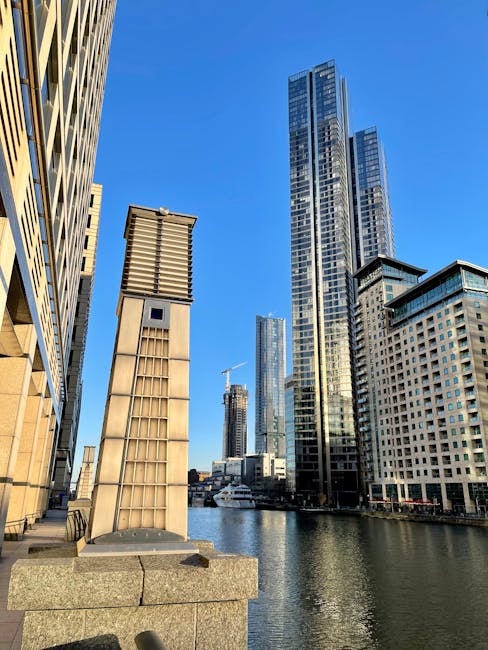
Deep Cleaning Canary Wharf E14 for riverside flats
If you live in a riverside flat in Canary Wharf, you already know the story: floor-to-ceiling windows gather a fine layer of city dust, balconies pick up moisture and grime, and busy mornings leave the kitchen and bathroom needing more than a quick wipe. Deep Cleaning Canary Wharf E14 for riverside flats is not just about making the place look nice for one afternoon. It is about removing build-up in the spots that regular cleaning misses, protecting finishes, and making your home feel properly reset. Whether you are preparing for guests, moving out, or simply tired of that dull film on surfaces, a proper deep clean can make a surprisingly big difference.
Riverside homes also have their own quirks. Humidity, airflow, building standards, high-use communal entrances, and hard-to-reach glazing all shape what needs attention. In practice, the best results come from a methodical approach rather than a frantic all-day tidy. Below, you will find a clear guide to what deep cleaning involves, what to prioritise in an E14 flat, and how to judge the quality of the work without needing to hover over every detail.
Expert summary: In riverside flats, the real win is not just surface shine. It is the removal of hidden dirt, grease, limescale, dust around vents, and moisture-related build-up in the places people usually miss.
Table of Contents
- Why Deep Cleaning Canary Wharf E14 for riverside flats Matters
- How Deep Cleaning Canary Wharf E14 for riverside flats Works
- Key Benefits and Practical Advantages
- Who This Is For and When It Makes Sense
- Step-by-Step Guidance
- Expert Tips for Better Results
- Common Mistakes to Avoid
- Tools, Resources and Recommendations
- Law, Compliance, Standards, or Best Practice
- Options, Methods, or Comparison Table
- Case Study or Real-World Example
- Practical Checklist
- Conclusion
- Frequently Asked Questions
Why Deep Cleaning Canary Wharf E14 for riverside flats Matters
Riverside flats in Canary Wharf tend to get a slightly different mix of dirt than a typical suburban home. You are dealing with wind-blown dust, traffic residue, condensation around colder glazing, and the normal mess that accumulates in a compact, high-traffic home. Add in open-plan layouts, glossy kitchen units, and lots of glass, and even a tidy flat can start to feel tired faster than you expect.
Deep cleaning matters because it reaches the jobs that create that "fresh home" feeling. Think behind the hob, around the extractor, under kickboards, along skirting boards, inside cupboard edges, grout lines, shower seals, and the awkward strip beside the washing machine. These are the places where grime quietly sits for months. Truth be told, they are also the places most people skip when they are rushing before work.
It also matters because riverside properties often show dust and streaking more obviously. Natural light is lovely, but it is unforgiving. One sunny morning and suddenly the windows, chrome taps, and TV unit are broadcasting every smudge. A proper deep clean is therefore part practical reset, part peace of mind.
For landlords, tenants, homeowners, and short-let hosts, the standard is a bit higher too. A flat can look acceptable at a glance and still fail the "closer inspection" test. That is why services such as deep cleaning are often chosen when a routine tidy is no longer enough. If carpets or upholstery are carrying odours or dullness as well, it may also make sense to combine it with carpet cleaning or upholstery cleaning.
One more local point. Canary Wharf flats are often in managed buildings with shared corridors, lifts, and strict access windows. So the work has to be efficient, quiet, and organised. Nobody wants cleaners arriving with the energy of a moving day chaos spiral. A good plan prevents that.
How Deep Cleaning Canary Wharf E14 for riverside flats Works
Deep cleaning is a structured, room-by-room process designed to remove ingrained dirt, grease, and residue rather than merely freshening surfaces. In a riverside flat, the work usually starts with a walkthrough so the most neglected or delicate areas can be identified first. That might include natural stone, engineered wood, floor-to-ceiling windows, balcony doors, or built-in appliances.
From there, the cleaning normally progresses from top to bottom and clean to dirty. That means dusting higher fixtures before moving down to surfaces, then floors. It sounds simple, but the order matters. If you clean the floor first and then wipe shelves afterwards, you have basically done the job twice. Nobody needs that kind of hobby.
A solid deep clean in Canary Wharf E14 often includes:
- Degreasing kitchen surfaces, splashbacks, cupboard fronts, and appliance exteriors
- Descaling bathroom fittings, shower glass, taps, and tiles
- Cleaning skirting boards, doors, handles, switches, and sockets
- Vacuuming edges, corners, under furniture, and behind movable items
- Polishing mirrors, glass, and internal windows
- Cleaning inside ovens, fridges, and extractors where requested
- Addressing limescale, water marks, dust, and grime build-up in high-use zones
For flats with lots of glass, the cleaning process often needs extra care. Window frames, tracks, and seals can trap dirt brought in by wind or condensation. If the flat is especially bright, even small marks become visible. That is why many people pair the visit with window cleaning if they want the whole space to feel properly finished.
In some cases, the work may be more intensive after decorating or refurbishment. If that sounds familiar, an after builders cleaning style approach is often needed, because fine dust behaves differently from normal household dirt and gets into every seam. It is a bit stubborn, to be fair.
Key Benefits and Practical Advantages
The biggest benefit is simple: the flat feels like itself again, only better. But there are several practical advantages beyond the obvious sparkle.
- Better air and surface hygiene: Dust, crumbs, bathroom residue, and kitchen grease are reduced in places that regular cleaning misses.
- Less wear on surfaces: Limescale and grime can slowly dull taps, tiles, and worktops. Removing them early helps finishes last longer.
- Improved presentation: This matters for rental inspections, guest stays, sale viewings, and everyday comfort.
- Reduced odours: Hidden residues in bins, drains, ovens, fridges, and soft furnishings can create background smells.
- Less day-to-day maintenance: Once build-up is gone, routine cleaning becomes much quicker and more manageable.
In a riverside setting, there is also the psychological benefit. A flat can look very busy very quickly when reflections, natural light, and glass surfaces show everything. Deep cleaning cuts through that visual clutter. You walk in and the place feels calmer. That might sound a bit dramatic, but anyone who has opened curtains on a bright morning and seen every fingerprint knows exactly what I mean.
There is also a financial angle for those renting out a property. A well-maintained flat is easier to present well, which may reduce the need for last-minute repair fixes or rushed re-cleans. If you are comparing different service levels, it can help to look at broader options such as one-off cleaning or regular domestic cleaning, depending on whether you need a reset or ongoing help.
Who This Is For and When It Makes Sense
Deep cleaning is not just for people in obvious crisis mode. It is for anyone whose home has moved past the point where routine wiping is enough. In Canary Wharf riverside flats, that often happens sooner than people expect.
This service makes sense if you are:
- Moving into a new flat and want a clean start
- Moving out and need the property to present well
- Hosting guests, family, or short-term visitors
- Coming back after a long trip or busy work period
- Dealing with post-renovation dust
- Noticing repeated limescale, odours, or greasy residue
- Trying to restore order after a hectic season of life
It is especially useful in smaller flats where the kitchen and living room share air and activity. Cooking smells, steam, and dust all mingle more quickly in open-plan spaces. A deep clean gives those rooms a reset in a way surface cleaning just cannot.
If your flat has a lot of carpets, soft seating, or rugs, these can hold onto that "not quite fresh" feeling too. In that case, pairing deep cleaning with sofa cleaning or rug cleaning can make the whole place feel more complete. Small detail, big impact.
Step-by-Step Guidance
A good deep clean works best when the process is calm and ordered. Here is a practical way to think about it, whether you are doing parts of it yourself or briefing a professional team.
- Declutter first. Clear loose items, laundry, dishes, and anything sitting on floors or worktops. You cannot clean properly around clutter, and it only slows everything down.
- Start high. Dust light fittings, high shelves, picture tops, and the upper edges of cabinets before moving lower.
- Work room by room. Focus on one area at a time. Kitchen, bathroom, bedrooms, living area, hallway. It keeps the job sane.
- Tackle the kitchen detail. Clean cupboard fronts, handles, splashbacks, hobs, extractors, bins, and appliance surfaces. Ovens often need separate attention, and yes, they are usually worse than you think.
- Move to bathrooms. Descale taps, shower screens, tiles, and sinks. Pay attention to grout, sealant, and the base of toilets.
- Dust all touch points. Skirting boards, switches, door frames, handles, banisters, and window ledges collect more grime than most people realise.
- Vacuum and mop properly. Get into edges, under furniture where possible, and around room perimeters.
- Finish with glass and mirrors. This is the bit that gives the room that clean, crisp look in natural light.
A flat near the river can also collect moisture-related marks, so do not rush the drying stage. Open windows if weather allows, use ventilation sensibly, and avoid leaving damp cloths crumpled in corners. That is how fresh-cleaned rooms start smelling not quite right, which is annoying, honestly.
If the oven is part of the problem, it may be cleaner to separate that task and use a specialist oven cleaning service or a dedicated oven cleaner. A burnt-on grill tray can eat half your afternoon if you try to handle everything at once.
Expert Tips for Better Results
There are a few details that tend to separate a decent deep clean from a really good one. These are the things people rarely mention until they have lived with the results for a few days.
1. Clean the air paths as well as the surfaces. Radiator tops, vents, extractor covers, and window ledges all trap fine dust. If these areas are ignored, a room can look clean but still feel dusty.
2. Don't over-wet wood and laminates. Riverside flats often have modern finishes, but that does not mean they like excess moisture. Use controlled amounts of product and dry the surface properly.
3. Use a separate cloth for bathrooms. It sounds obvious, yet cross-contamination is one of the easiest ways to undo good work. Keep bathroom tools and kitchen tools apart.
4. Focus on the human touch points. Handles, switches, remotes, cupboard pulls, stair rails, and fridge edges are the places people touch all day. Clean them well.
5. Open the view, then judge the room. With riverside flats, daylight exposes streaks and missed dust fast. Stand back near the windows and look across the room, not just at the sink in front of you.
6. Don't forget the details in storage areas. Shoe cupboards, utility shelves, and under-sink spaces often hold the worst residue. They are tiny, but they matter.
If you are using a professional cleaning company, it is worth asking how they handle delicate finishes, appliances, and access in managed buildings. The right team will not make a fuss, but they should have a method. A good one tends to be noticeably calm, actually.
Common Mistakes to Avoid
People often think deep cleaning is just a more intense version of routine cleaning. That is part of it, but the mistakes happen when the job is treated too casually.
- Skipping the prep: If you do not declutter first, you spend energy moving the same items over and over.
- Using too much product: More spray does not equal more clean. It often means sticky residue.
- Ignoring edges and corners: Dirt collects where rooms are least visible. That is exactly where a deep clean should go.
- Cleaning only what you can see: Cupboards above eye level, behind appliances, and under furniture matter just as much.
- Forgetting drying time: Damp patches lead to water marks, streaks, and that weird not-quite-fresh smell.
- Trying to do everything at once: This is the big one. Kitchens, bathrooms, windows, floors, and upholstery all compete for attention. Without a plan, the job becomes messy.
Another common issue is assuming every flat needs the same treatment. A riverside apartment with polished floors, glass partitions, and a compact kitchen needs a different approach from a carpeted one-bedroom with more soft furnishings. If the flat has mixed flooring, a specialist hard floor cleaning approach may be needed for the kitchen and hallway, while softer areas need different care.
Tools, Resources and Recommendations
You do not need a warehouse of equipment to deep clean well, but you do need the right tools for the material in front of you.
| Area | Helpful tools | What to watch for |
|---|---|---|
| Kitchen | Microfibre cloths, degreaser, non-scratch sponge, detail brush | Avoid harsh scrubbing on gloss fronts and delicate finishes |
| Bathroom | Descaler, grout brush, squeegee, old toothbrush for edges | Test products on sensitive surfaces before full use |
| Floors | Vacuum with attachments, mop, bucket, clean pads | Do not over-wet engineered or wooden floors |
| Glass and mirrors | Lint-free cloth, glass cleaner, dry polishing cloth | Work in good light to catch streaks early |
| Soft furnishings | Upholstery tool, fabric-safe cleaner, vacuum brush | Check care labels and do not saturate fabric |
For deeper upkeep between cleans, a few recurring services can help depending on the flat. A home with pets or heavy footfall may benefit from carpets cleaner support now and then, while upholstered dining chairs and sofas usually need targeted care rather than a quick wipe. If the property is part home, part remote-work space, you might also consider house cleaning or even broader home cleaners support if regular upkeep has become hard to keep on top of.
And just quietly, a decent microfibre cloth can save the day more often than a fancy bottle. Not glamorous, but true.
Law, Compliance, Standards, or Best Practice
For most domestic deep cleaning jobs, the main legal and compliance concerns are straightforward: safe working practices, proper product use, suitable access, and respect for the property and people in it. In managed buildings around Canary Wharf, access rules and building procedures can matter just as much as the cleaning itself.
Good practice usually means:
- Using cleaning products in line with manufacturer guidance
- Protecting delicate surfaces and testing products where needed
- Keeping pathways clear to reduce trip risks
- Handling water, electrical items, and fragile fittings carefully
- Respecting quiet hours, lifts, and building access arrangements
- Being clear about what is included before work begins
If you are booking a provider, it is sensible to check how they approach safety and insurance. A trustworthy business should be able to explain its approach in plain English. You can also review practical information such as health and safety policy, insurance and safety, and terms and conditions if you want to understand the process before confirming anything.
For payment and privacy confidence, it is perfectly reasonable to look at payment and security and privacy policy too. That is not overthinking it. It is just sensible.
Options, Methods, or Comparison Table
People often ask whether they need a full deep clean, a lighter reset, or targeted help. The right answer depends on the flat's condition and your deadline.
| Method | Best for | Strengths | Limitations |
|---|---|---|---|
| Routine cleaning | Weekly upkeep | Keeps dirt under control | Usually misses build-up in hidden areas |
| One-off cleaning | Busy households or a general reset | More thorough than routine cleaning | May not go as deep in every detail as a full intensive clean |
| Deep cleaning | Move-in, move-out, seasonal reset, heavy build-up | Targets grime, limescale, grease, and neglected spots | Requires more time and preparation |
| Targeted add-ons | Specific issues like ovens, carpets, windows, or upholstery | Solves problem areas efficiently | Not a complete solution on its own |
If the flat has had recent work done, an after builders cleaning style clean may be the better fit. If the main issue is moving out, then a more tailored end of tenancy cleaning approach may be more appropriate. Different jobs, different priorities.
Case Study or Real-World Example
Here is a realistic example from a typical riverside flat scenario. A two-bedroom apartment in Canary Wharf had been occupied by a working couple who mostly kept on top of the basics. The flat looked fine at first glance, but the kitchen extractor had grease build-up, the bathroom grout had dulled, the windows showed streaks in daylight, and the skirting boards had a soft line of dust that no one had noticed for weeks.
They did not need a dramatic overhaul. They needed a reset.
The cleaning plan focused first on the kitchen and bathroom, then moved to glass, doors, and floors. The oven was handled separately, because that one item would have eaten the whole schedule if left too late. Soft furnishings were vacuumed carefully, and the windows were finished last so the rooms looked bright in the afternoon light. The result was not just cleaner-looking rooms. The flat felt lighter, fresher, and easier to maintain the following week.
What mattered most was sequence. The team did not bounce between rooms randomly. They worked steadily, checked the details near the end, and left the place ready for normal life again. That is usually the difference between a surface tidy and a proper deep clean.
Practical Checklist
Use this before or after your deep clean to make sure nothing important gets missed.
- Decluttered floors, worktops, and bathroom surfaces
- Dust removed from high ledges, lights, and cabinet tops
- Kitchen surfaces degreased and appliances wiped down
- Oven, extractor, and fridge cleaned if needed
- Bathroom limescale removed from taps, glass, and tiles
- Skirting boards, doors, handles, and switches cleaned
- Window frames, ledges, and glass wiped properly
- Floors vacuumed along edges and mopped correctly
- Soft furnishings checked for stains, crumbs, or odours
- Bins emptied, washed, and dried
- Bathroom and kitchen floors fully dried
- Final walk-through completed in natural light
If you prefer a broader professional reset, a scheduled cleaners visit can be a very practical way to keep standards up without losing your weekend to scrubbing. And yes, your Saturday morning deserves better than fighting limescale.
Conclusion
Deep Cleaning Canary Wharf E14 for riverside flats is about more than shine. It is about restoring order in a home that faces dust, moisture, light, and everyday use all at once. The best results come from a careful plan, the right tools, and attention to the hidden places that most quick cleans overlook.
If your flat has started to feel a little tired, do not wait for it to become a bigger job. Start with the high-impact areas, decide whether you need a full reset or targeted support, and build from there. A good deep clean can make a home feel calmer, brighter, and easier to live in. That fresh-start feeling is real.
Get a free quote today and see how much you can save.
And if you want to understand the people behind the service before you book, you can also read more about the company or use the contact us page when you are ready. Either way, take it one step at a time. Clean homes do have a way of making life feel lighter.
Frequently Asked Questions
What does deep cleaning include in a Canary Wharf riverside flat?
It usually includes detailed cleaning of kitchens, bathrooms, floors, skirting boards, doors, handles, switches, glass, and other neglected areas. In riverside flats, windows and moisture-prone surfaces often need extra attention.
How is deep cleaning different from regular domestic cleaning?
Regular cleaning keeps things tidy on an ongoing basis. Deep cleaning goes further by removing build-up, limescale, grease, and dirt from hidden or hard-to-reach areas. It is more intensive and usually less frequent.
How often should a riverside flat in E14 be deep cleaned?
That depends on the household, but many people book a deep clean seasonally, before a move, after renovations, or whenever build-up becomes noticeable. Flats with high footfall or lots of glass may need it more often.
Is deep cleaning worth it for a small flat?
Yes, especially in compact flats where dust, cooking residue, and moisture can spread quickly between rooms. A smaller space can actually benefit more because every surface is visible and used often.
Can deep cleaning help with odours?
It can, especially when the source is hidden grease, bins, soft furnishings, drains, or old food residue. If smells are coming from carpets or upholstery, adding specialist treatment can help more.
Do I need to move furniture before a deep clean?
Move anything light, fragile, or personal if you can. Large items are usually handled carefully where possible, but clearing small clutter helps the clean reach more of the room. It makes the job much smoother.
What should I prioritise first in a riverside flat?
Start with the kitchen and bathroom, then glass, floors, and touch points like handles and switches. These are the areas most likely to make the whole flat feel dirty if left untouched.
Is an oven clean included in a deep clean?
Not always. Ovens are often treated as an add-on or separate task because they can be very time-consuming. If the oven is heavily used, it is usually better to book a dedicated oven service.
How do I know if I need end of tenancy cleaning instead?
If you are moving out and need the property to meet check-out expectations, a move-out focused service is usually better. If you simply want a full refresh while staying in the property, deep cleaning is the more natural fit.
Are there any risks with cleaning delicate finishes in modern flats?
Yes. Gloss units, engineered wood, stone worktops, and glass partitions can be damaged by abrasive tools or excess moisture. That is why careful product choice and method matter so much.
Can I combine deep cleaning with carpet or upholstery care?
Absolutely. In fact, many riverside flats benefit from combining services so the home feels genuinely refreshed, not just visually tidy. Carpet, rug, and upholstery care can make a big difference to the overall result.
What should I ask before booking a cleaning team?
Ask what is included, how access is handled, whether they carry appropriate insurance, and how they deal with delicate surfaces. You may also want to check their pricing and quotes process so there are no surprises.
Do I need to be home during the deep clean?
Not always, but it depends on access arrangements and your comfort level. Some people prefer to stay nearby for the first visit, then leave future appointments to the team once everything feels straightforward.
What if my flat has just had renovation work done?
Then you may need a more detailed post-work clean because fine dust spreads into cupboards, vents, and corners. In that case, an after builders approach is often the better starting point.