Upholstery Cleaning in London: A Practical Local Service for Busy Homes and Businesses
If your sofa is starting to look tired, your dining chairs have picked up everyday marks, or your office seating needs a proper refresh, upholstery cleaning in London can make a noticeable difference to both appearance and comfort. In a city where homes and workplaces are used hard every day, soft furnishings quickly collect dust, spills, pet hair, odours, and general grime. A professional clean helps restore the look of your furniture while supporting a fresher, healthier indoor environment.
London properties are wonderfully varied. You might have a compact flat in Clapham, a converted warehouse in Shoreditch, a family terrace in Ealing, or a busy reception area in Canary Wharf. Each space brings different furniture types, fabric finishes, access challenges, and cleaning needs. That is why a local service matters: it is built around the way Londoners actually live and work, from tight stairwells and parking restrictions to shared entrances and occupied offices.
Whether you are preparing for guests, refreshing your rental property, or looking after commercial seating in a client-facing space, the right service should be careful, efficient, and tailored to the material in front of it. Professional upholstery care is not only about appearance; it is also about preserving the life of the fabric, preventing stubborn staining from setting in, and helping your furniture stay comfortable for longer.
Why Upholstery Cleaning Matters for London Properties

Upholstered furniture often absorbs more than people realise. Over time, fibres trap skin flakes, dust, airborne particles, food residue, pet dander, and everyday oils from hands and clothing. In a city like London, where many homes have windows open in warmer months and busy foot traffic brings in extra dirt, upholstery can become dull even when it still looks tidy at first glance. Regular care helps stop that gradual build-up from becoming a bigger problem.
In family homes, sofa cleaning can be especially important because fabric furniture gets used for relaxing, eating, playing, and entertaining. In shared flats and rental properties, upholstered items may also experience rapid wear between tenancies. Meanwhile, offices, salons, clinics, hotels, and restaurants need seating that looks presentable to customers and comfortable for staff. Clean upholstery supports a better impression and a better experience.
Londoners also face common practical issues such as limited drying space, unpredictable weather, and furniture that cannot easily be moved outside. A professional upholstery cleaner uses methods designed for indoor spaces, so the job can be carried out with minimal disruption. This is especially useful in apartments, listed buildings, and busy commercial premises where convenience matters as much as results.
What Our Upholstery Cleaning Service Includes
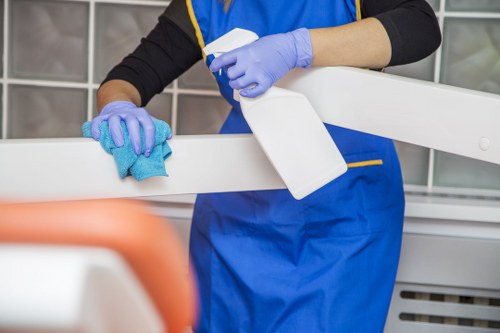
A proper upholstery cleaning service should be more than a quick surface wipe. The aim is to clean the fabric safely and thoroughly while paying attention to the material, construction, and condition of each item. Different pieces need different approaches, and a careful technician will assess what is suitable before beginning.
Typical upholstery cleaning may include the following:
- Inspection of the fabric type and condition
- Spot treatment for visible stains and marked areas
- Removal of loose dust, crumbs, and debris
- Appropriate cleaning method based on the material
- Attention to armrests, seat cushions, backs, piping, and edges
- Odour treatment where suitable
- Advice on drying and aftercare
Common items that can often be cleaned include sofas, armchairs, dining chairs, footstools, office chairs, reception seating, headboards, and some upholstered benches. Leather and delicate fabrics may need specialist treatment, so the process should always begin with an assessment rather than a one-size-fits-all approach.
Fabrics and furniture types we often see in London
London homes and businesses use a wide range of upholstery materials, and each reacts differently to moisture, cleaning solutions, and agitation. Microfibre, polyester blends, cotton-rich fabrics, wool blends, velvet, chenille, and performance fabrics are all common. Some are durable and forgiving, while others are more delicate and require controlled cleaning to avoid fibre distortion or water marks.
Furniture styles also vary significantly across the city. Compact two-seater sofas are common in newer apartment blocks, while older Victorian and Edwardian homes often contain larger settees and period armchairs. Commercial premises may have fixed banquettes, waiting-room chairs, or bespoke seating that needs careful attention around seams and corners. A local cleaner who regularly works across London is more likely to understand these differences and plan accordingly.
How the Service Works

Most customers want a straightforward process, especially when furniture is already in use. A well-organised upholstery cleaning appointment should be simple to arrange, clear on expectations, and designed to minimise disruption. It usually starts with a short discussion about the furniture, the fabric, any stains or odours, and any access issues that might affect the visit.
On arrival, the cleaner typically checks the item carefully, identifies the fabric where possible, and chooses the safest method. Depending on the material, this may involve low-moisture or hot-water extraction style cleaning, careful spot treatment, or specialist dry techniques for certain fabrics. The goal is always to remove as much embedded dirt as possible without damaging the upholstery.
After cleaning, the technician may recommend drying times, ventilation steps, and simple maintenance tips. This is particularly helpful in London flats and houses where heating, room layout, and outside conditions can affect how quickly upholstery dries. Good aftercare advice helps protect the result and reduces the chance of re-soiling.
What happens during a typical appointment
- Initial inspection and fabric check
- Discussion of stains, traffic areas, and concerns
- Preparation of the furniture and surrounding space
- Pre-treatment for spots and heavily used areas
- Deep cleaning with the appropriate method
- Optional deodorising where suitable
- Final review and drying guidance
For some pieces, especially those with older fabrics, decorative trims, or previous damage, a cautious approach is essential. The cleaner should explain any limitations before work begins so you can make an informed decision. That level of clarity is one reason many local customers prefer a trusted London-based team over a generic service.
Why London Customers Choose a Local Upholstery Cleaner
Choosing a local company for upholstery cleaning in London brings practical advantages that matter in everyday life. First, local teams are used to the realities of the city: narrow entrances, top-floor walk-ups, controlled parking zones, basement flats, and busy roads with limited stopping space. That experience helps the visit run smoothly and reduces avoidable delays.
Second, local cleaners understand the types of properties across different parts of the capital. A mews house in Kensington, a family home in Wimbledon, a riverside apartment in Greenwich, and a shared office in Old Street all present different challenges. Being familiar with these settings helps ensure the equipment, method, and timing are appropriate.
Third, a nearby team is usually better placed to support flexible bookings for homes and businesses. That can be important if you need work arranged around school runs, office hours, check-ins, changeovers, or customer-facing opening times. Local service means practical service.
Local benefits that matter to real customers
- Better understanding of parking and access limits
- Experience with flats, terraces, period homes, and modern developments
- Suitable methods for common London fabrics and furniture styles
- Flexible scheduling for occupied homes and working premises
- Quicker response for repeat maintenance or follow-up care
For many households, another advantage is peace of mind. When someone is cleaning expensive or sentimental furniture in a compact London home, they want care, attention, and accountability. A local provider is more likely to take time over the details and treat your space with respect.
Common Problems Upholstery Cleaning Can Help With

Everyday use creates a long list of marks and build-up that can make upholstery look older than it really is. Professional fabric sofa cleaning and chair cleaning can often help with a range of common issues, although results depend on the material, the age of the stain, and how the item has been treated before. Acting early usually gives the best chance of improvement.
Examples of common issues include:
- Food and drink spills
- General soiling from daily use
- Dust and dull patches on seating arms and headrests
- Pet hair and odours
- Make-up transfer and skin oils
- Office chair marks from constant use
- Smoke and lingering smells in some properties
- Accidental stains in rental or guest accommodation
Some stains respond well to targeted treatment, while others may have set into the fibres or changed the fabric colour. A professional cleaner will not promise unrealistic outcomes, but they can often improve the look, feel, and freshness of the item significantly. The important thing is to deal with the furniture as early as possible before the problem becomes more difficult.
Why quick action makes a difference
Fresh stains are usually easier to treat than old ones. The longer a spill remains in the fibres, the more likely it is to bond with the upholstery or leave a visible edge. In busy London homes, where life rarely pauses for deep cleaning, it makes sense to book sooner rather than later if a sofa, chair, or headboard needs attention.
Upholstery Cleaning for Homes, Rentals, and Commercial Premises
London’s property market is busy, and upholstery sees a lot of turnover. A good local cleaning service should be able to work across domestic and commercial settings without treating them the same way. Residential customers may be focused on family life, allergies, and maintaining a comfortable home. Landlords and letting agents may need furniture cleaned between tenancies. Businesses may want their seating to look welcoming for visitors and staff.
For homes, the emphasis is usually on comfort, hygiene, and protecting a much-used piece of furniture. For rentals, the priority may be appearance, freshness, and preparing the property for new occupants. For commercial clients, consistency and low disruption are key. In all cases, upholstery cleaning should be arranged with the practical realities of the space in mind.
Some of the most common commercial and domestic settings in London include:
- Private flats and houses
- Student accommodation
- Rental properties and managed lets
- Offices and meeting rooms
- Hotels and serviced apartments
- Restaurants, cafés, and reception areas
- Salons, clinics, and waiting rooms
Clean seating affects how a room feels. In a living room, it can make the whole home feel cared for. In a business, it can make the space appear more professional and inviting. That is why upholstery maintenance is often one of the simplest ways to improve a property without replacing furniture.
Why furniture replacement is not always the best answer
Many people assume a worn-looking sofa or chair needs replacing, but that is not always necessary. If the frame and cushions are still sound, a thorough clean can often extend the usable life of the item. That can be useful for anyone trying to manage costs in London, where replacing bulky furniture is inconvenient and disposal can be a hassle. Cleaning may be a more practical and sustainable option.
Preparing for Your Appointment
Good preparation helps the work go smoothly and can improve the result. You do not usually need to do anything complicated, but a few simple steps make the visit easier for both the customer and the cleaner. If your property has restricted access, shared hallways, or parking limitations, mentioning those details in advance is especially useful.
Before the appointment, it helps to:
- Clear small items, cushions, and throws from the furniture
- Move fragile objects away from the working area
- Vacuum around the furniture if possible
- Identify any stains, pet accidents, or areas of concern
- Check whether parking or entry instructions need to be arranged
- Make sure there is space for equipment near the furniture
If you live in a flat, it can also be helpful to let the cleaner know about lifts, stair access, concierge arrangements, or time restrictions. In many parts of London, these small details can save time and make the appointment much easier. Being prepared does not mean doing the job yourself; it simply helps the service start in the best possible way.
What not to do before cleaning
Avoid soaking stains with random products before the visit, as this can sometimes spread the mark or make it harder to treat properly. It is also wise not to scrub fabric aggressively, because that can damage the pile or push dirt deeper into the fibres. If possible, leave the problem area alone and let the cleaner assess it properly on arrival.
Pricing Factors for Upholstery Cleaning in London
Customers often want to know what affects the cost of upholstery cleaning. Exact prices vary by provider and by furniture type, so it is better to ask for a quote based on your specific items rather than assume every sofa or chair will be treated the same. A fair quote should reflect the actual work involved.
Factors that can influence pricing include:
- Type and size of furniture
- Number of seats or pieces
- Fabric type and cleaning difficulty
- Level of soiling and stain treatment required
- Presence of pet odours or special issues
- Access conditions and parking restrictions
- Whether the work is residential or commercial
Some fabrics require more delicate handling, more time, or additional products. Heavily used seating may also need deeper pre-treatment than lightly used furniture. In busy areas of London, access can also affect the appointment length, especially if equipment has to be carried up several floors or through restricted entry points. A local service should be transparent about these practical factors when providing a quote.
What makes a quote useful
A helpful quote should tell you what is included, what information is needed from you, and whether any special conditions apply. It should feel clear and specific, not vague. If you are comparing services, ask what approach will be used for your fabric and whether the cleaner has experience with similar items in London homes or workplaces.
Areas Covered Across London
A genuinely local upholstery cleaning service should be able to cover a wide range of London neighbourhoods while still understanding the differences between them. Customers commonly need service across central, north, south, east, and west London, including both residential and commercial settings.
Areas often covered may include, but are not limited to:
- Central London
- North London
- South London
- East London
- West London
- Inner boroughs and surrounding districts
This can include locations such as Islington, Camden, Hackney, Stratford, Wandsworth, Lambeth, Brixton, Croydon, Ealing, Hammersmith, Fulham, Kensington, Chelsea, Richmond, Hounslow, Greenwich, Lewisham, and many nearby districts. The value of a local team is that it understands that one part of London may mean a narrow stairwell in an older building, while another may mean underground parking or concierge access in a modern block.
If you are unsure whether your area is covered, it is best to ask when requesting a quote. A flexible team can often help with nearby postcodes, and it is useful to describe your property type so the service can be planned accurately.
Why Careful Fabric Assessment Matters
Not all upholstery should be cleaned in the same way. A sofa that looks robust may still contain delicate fibres, mixed materials, or dyes that react differently to moisture. That is why assessment is a crucial part of the service. It helps avoid problems such as shrinkage, colour transfer, texture changes, or lingering dampness.
Fabric assessment usually involves identifying the material where possible, checking the manufacturer’s care information if available, and looking for signs of wear, fading, or previous cleaning attempts. Older furniture may need more caution, especially if it has already been treated with unsuitable products at home. Careful testing helps protect the upholstery before the full clean begins.
Questions a good cleaner may consider
- Is the item machine-made, delicate, or mixed-fibre?
- Does the fabric tolerate moisture well?
- Are there colourfastness concerns?
- Are stains on the surface or deep in the backing?
- Will the room conditions allow safe drying?
This kind of attention is especially important in London, where properties vary so much from one street to the next. A well-trained cleaner will adapt the process to the furniture rather than forcing furniture to fit a fixed process.
Benefits of Professional Upholstery Care
There are clear practical reasons to arrange professional cleaning rather than rely only on DIY methods. Household products can be useful for immediate spill management, but they often do not reach deep into the fibres and may leave residues behind. A specialist clean is designed to do more than mask the problem.
Benefits may include:
- A cleaner, fresher appearance
- Removal of embedded dirt and dust
- Better overall odour control
- Improved comfort and a more inviting room
- Support for fabric longevity
- Reduced need to replace furniture too soon
For households with children or pets, these benefits can be especially noticeable. For businesses, a fresh-looking reception area, meeting room, or guest seating area can help the whole premises feel more cared for. Small improvements to upholstery can change how an entire room feels.
When to arrange cleaning
It is a good idea to book upholstery cleaning when you notice visible dullness, recent stains, lingering odours, or increased dust build-up. It is also sensible before moving into a new property, after a tenancy ends, before hosting visitors, or as part of periodic maintenance for offices and commercial premises. In London, where busy schedules make deep cleaning easy to postpone, planning ahead can save stress later.
FAQs: Upholstery Cleaning in London
Below are answers to common questions from real customers looking for upholstery cleaning services across London.
How long does upholstery cleaning take?
Timing depends on the number of items, their size, the fabric type, and the condition of the furniture. A single sofa may take less time than several chairs plus stain treatment. Access also affects the visit, particularly in London properties with stairs, limited parking, or shared entrances.
How long will the furniture take to dry?
Drying time varies according to the material, the cleaning method, room temperature, and ventilation. Some items dry relatively quickly, while heavier fabrics may take longer. Good airflow and heating can help, and the cleaner should explain what to expect before leaving.
Can all stains be removed?
Not always. Some stains improve dramatically, while others may have permanently affected the fibres. Age, fabric type, previous cleaning attempts, and the substance involved all matter. A professional service should assess the stain honestly and explain the likely outcome before starting.
Is upholstery cleaning safe for pets and children?
When suitable products and methods are used correctly, upholstery cleaning can be carried out with care around family homes. If you have specific concerns about sensitivity, it is sensible to mention them during booking so the cleaner can plan accordingly.
Can you clean office seating and commercial furniture?
Yes. Many London businesses need upholstery care for chairs, sofas, waiting areas, and reception seating. Commercial work often needs flexible scheduling to reduce disruption, and a local team can usually help plan the visit around opening hours or quieter periods.
Do I need to move the furniture myself?
Usually, no. Most upholstery cleaning is done with the item in place, as long as there is safe access around it. If a lighter piece needs to be shifted slightly, this is often discussed in advance. Large or built-in items are typically cleaned where they are.
How often should upholstery be cleaned?
Frequency depends on use. A heavily used family sofa may need attention more often than a spare-room chair, while commercial seating may need planned maintenance to keep it looking presentable. In busy London homes, a regular schedule can help prevent build-up from becoming difficult to deal with.
Book Your Upholstery Cleaning in London
If your sofas, chairs, or other upholstered furniture are looking dull, stained, or simply overdue for a proper refresh, now is a sensible time to act. A local team can assess the fabric, explain the best approach, and carry out the work with the practical realities of London properties in mind.
From compact flats to family homes and busy commercial premises, upholstery cleaning is one of the most effective ways to improve the feel of a space without replacing furniture. It can help restore freshness, support a tidier appearance, and make everyday living or working more comfortable.
Contact us today, request a free quote, or book your service now if you want professional upholstery care arranged around your property and schedule. Whether you need sofa cleaning, chair cleaning, or attention for multiple items across a home or workplace, a local London service can help make the process simple.